A good pantry is not a display shelf. It is a small set of dependable ingredients that lets you cook dinner on a weeknight without a shopping trip — and without ordering out because there is nothing in the house.
The 25 items below are the ones worth buying first. They overlap constantly: a can of chickpeas becomes a salad tonight and a curry on Thursday; rice anchors a stir-fry, a bean bowl, and a pot of soup. You do not need to buy everything this week. Start with grains, salt, and oil, add cans as they go on sale, and pick up a spice or two each trip.
Six Grains and Starches
This is the backbone of the pantry. Buy the sizes you will actually finish; a ten-pound bag of rice is only a bargain if you cook rice often.
- Long-grain white rice. Cooks in about 15 minutes, keeps for years in a sealed jar, and works under beans, stir-fries, and roasted vegetables.
- Dried pasta. One long shape (spaghetti) and one short shape (penne or rigatoni) cover most sauces, bakes, and cold pasta salads.
- Rolled oats. Breakfast, yes, but also a thickener for fruit crisps and a binder for meatballs in a pinch.
- Dried lentils. No soaking, cooks in 20 to 25 minutes, and turns into soup, salad, or a hearty side with nothing more than an onion and some cumin.
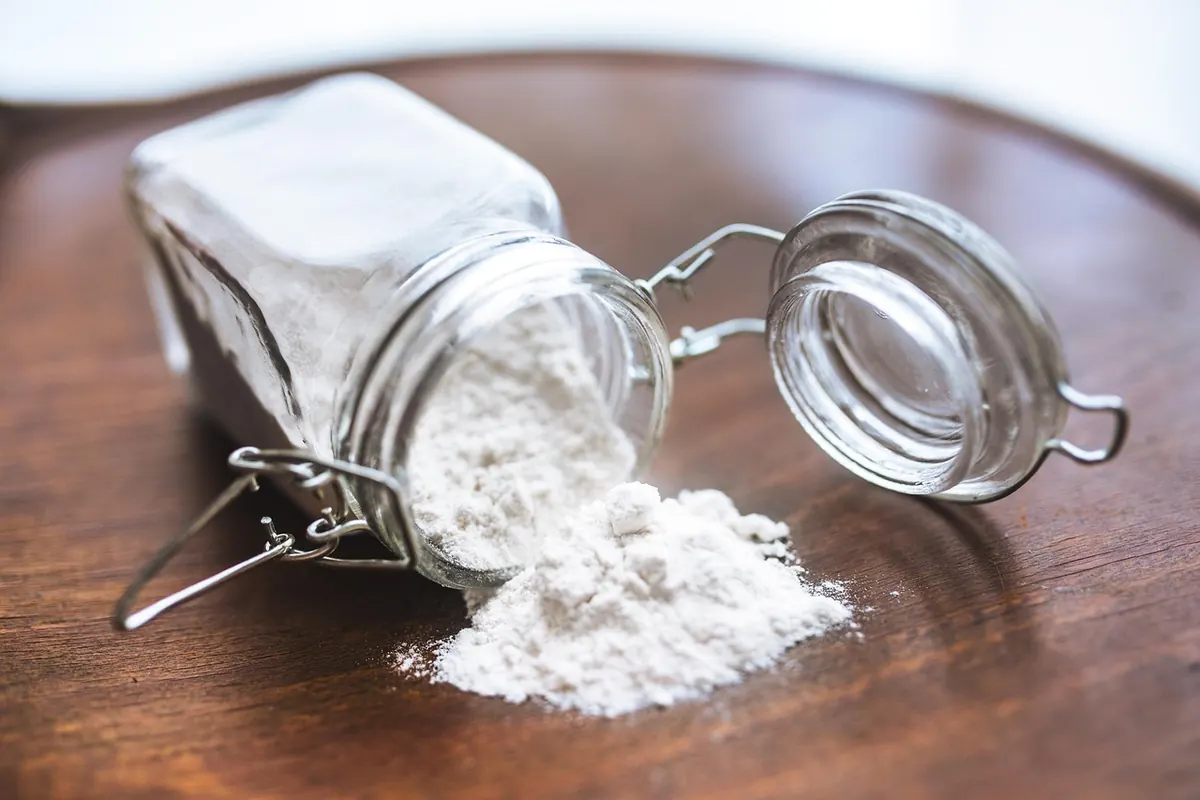
- All-purpose flour. For roux, pancakes, quick breads, and coating chicken before it hits the pan.
- Cornmeal. Polenta under a ragu, cornbread beside chili, or a crisp coating for fish.
Store grains in glass jars or airtight containers. Paper bags and open boxes invite pantry moths, and once those arrive they are hard to evict.
Seven Cans and Jars That Earn Their Space
Canned goods are not a compromise. They are the reason a decent meal is 20 minutes away on the night you have no energy left.
- Whole peeled tomatoes. Crush them by hand for a quick sauce, or simmer them into shakshuka. They taste better than the pre-diced kind.
- Chickpeas. Roast them for snacking, mash them into sandwiches, or simmer them in coconut milk with curry powder.
- Black beans. Tacos, quesadillas, rice bowls, and soup. Rinse them before using to wash off the canning liquid.
- Tuna or sardines. Protein that needs no cooking. Sardines on toast with mustard and lemon is a real dinner.
- Full-fat coconut milk. The base for quick curries and lentil stews. Shake the can well before opening.
- Peanut butter. Sandwiches, sure, but also a fast sauce with soy sauce, vinegar, and hot water for noodles.
- Stock or broth. Cartons, cubes, or paste. It turns a pot of vegetables into soup and adds depth to plain rice.
Oils, Vinegars, and the Flavor Shelf
These seven bottles do most of the seasoning work in a beginner kitchen.
- Olive oil. Keep an everyday bottle for cooking and save the expensive one for finishing.
- A neutral oil. Canola, vegetable, or sunflower — for high heat and for baking, where olive oil would overpower.
- Soy sauce. Salt, savoriness, and color in stir-fries, marinades, and dressings.
- Apple cider vinegar. Brightens beans, dressings, and braises. It also wakes up a soup that tastes flat.
- Dijon mustard. Emulsifies vinaigrette, coats roast chicken, and lifts a plain cheese sandwich.
- Honey. Sweetens tea, glazes carrots, and balances a dressing that turned out too sharp.
- Hot sauce. Whatever brand you like. Acid and heat fix more dishes than any other single bottle.
Keep oils in a cool, dark cupboard rather than beside the stove; heat and light turn them rancid faster. If an oil smells like crayons, it is done.
Five Spices (Plus Salt and Pepper)
Spices lose their punch within a year or two, so buying a dozen at once is a waste. These five cover a surprising range of cooking.
- Kosher salt. Easier to pinch than table salt and less salty by volume, which makes it forgiving while you learn to season.
- Black peppercorns. Buy them whole, with a grinder. Pre-ground pepper is a shadow of the real thing.
- Garlic powder. Not a substitute for fresh garlic, but excellent in rubs, dressings, and roasted vegetables.
- Ground cumin. The backbone of chili, tacos, lentils, and anything vaguely Mexican or Middle Eastern.
- Dried oregano. Pizza sauce, tomato dishes, Greek salads, and roast chicken.
When you are ready to add more, buy smoked paprika, ground cinnamon, onion powder, chili flakes, and bay leaves. Write the month and year on each jar lid with a marker so you know what is getting old.
Set the Shelf Up So You Actually Use It
A pantry you cannot see into is a pantry you will forget. Three habits keep it working.
Group by job, not by brand
Keep baking items together, cans together, and spices near the stove. You should be able to glance at one shelf and know what dinners are possible tonight.
Keep a use-first basket
Anything opened — a half bag of pasta, the last of the oats, a partial jar of sauce — goes into a small bin at eye level. Check it before you shop. Most pantry clutter is food you already bought twice.
Rotate on the way in
New cans go behind old ones. It takes two seconds and it means nothing quietly expires at the back of the cupboard.
If you cook for someone with allergies or a medical condition that shapes their diet, talk to a doctor or registered dietitian before rebuilding your pantry around new staples.
Your First Shopping Trip
- Buy salt, pepper, one oil, and one vinegar.
- Add rice, pasta, and a can of tomatoes.
- Next trip: two cans of beans, a head of garlic, and an onion.
- Add one spice each week until the rack is genuinely useful.
That is a pantry. Not a photograph, not a subscription box — just a shelf that quietly makes cooking easier. Start with these 25 items, cook from them for a month, and you will learn fast which ones you reach for and which you can skip. The list should bend to your kitchen, not the other way around.
Photo: kaboompics / Pixabay