It's 6:20 on a Tuesday. The fridge holds half a lemon and a jar of mustard, and everyone is hungry. This is the moment most meal plans fall apart — not because you lack recipes, but because you lack a decision. A stocked pantry solves that, as long as the right ten things are in it.
These ten staples produce five genuinely different dinners. The trick isn't buying more; it's understanding which slot each ingredient fills, so you can swap one dinner for another without a trip to the shop.
The Ten That Do the Work
- Dried pasta, ideally a short shape
- Long-grain white rice
- Canned crushed or diced tomatoes
- Canned chickpeas
- Canned tuna in olive oil
- Eggs
- Onions
- Garlic
- Olive oil
- Stock cubes or stock paste
Seasonings sit outside the ten because they're flavor, not structure: salt, black pepper, smoked paprika, cumin, dried oregano and chili flakes. You almost certainly own most of them already, and none of them need to be measured precisely.
The flex shelf (optional, never required)
If you keep a hard cheese, a lemon, capers, frozen peas, plain yogurt or a loaf of bread, these turn good pantry dinners into very good ones. But no dinner below depends on them, which is the point.
The Matrix: Four Slots, Five Outcomes
Every dinner here is built from four slots. Base (pasta or rice). Protein (chickpeas, tuna or eggs). Liquid and sauce (canned tomatoes, stock, pasta water, olive oil). Punch (onion, garlic, spices, chili flakes).
Change one slot and the whole dish changes. Same rice and tomatoes, but eggs instead of tuna and a higher heat, and you're making a skillet, not a pilaf. Same pasta, but folded into beaten eggs and fried, and you have frittata rather than a bowl of noodles. The ingredients are constant; technique and proportion do the rest.
Two rules keep the matrix honest. Fat carries flavor, so don't be shy with the olive oil. And acid wakes everything up — a squeeze of lemon, a splash of vinegar, or the brine from a jar of capers.
Five Dinners, One Pantry
1. Pasta with Chickpeas and Tomato — about 25 minutes
Boil pasta in well-salted water and save a mug of the cooking water before draining. Meanwhile, soften a chopped onion in olive oil, add two cloves of sliced garlic and a pinch of chili flakes, then a can of tomatoes. Simmer ten minutes, stir in a drained can of chickpeas, then the pasta and a splash of the reserved water until it looks glossy rather than dry. Salt again. Grated cheese if you have it.
2. Tomato Rice with Tuna — about 30 minutes
Cook chopped onion and garlic in oil with a teaspoon of smoked paprika. Add rice and stir for a minute, then tomatoes and stock, using your rice's usual liquid ratio and counting the tomatoes as part of that liquid. Cover, cook gently, and let it rest off the heat for ten minutes. Flake in a drained can of tuna at the very end so it stays in pieces rather than dissolving.
3. Bean and Egg Skillet — about 20 minutes
Soften onion and garlic with cumin and paprika, add chickpeas and a little stock, and mash a few of them against the pan to thicken the sauce. Add tomatoes and simmer until it stops looking watery. Make small wells, crack in eggs, cover, and cook until the whites are fully set and the yolks are as firm as you like. Serve with rice, or bread if there's any.
4. Garlic Fried Rice with Egg — about 15 minutes
This one needs cold cooked rice, so it belongs the day after dinner two. Get the pan properly hot, scramble the eggs in oil and set them aside, then fry onion and garlic hard for a minute. Add rice, breaking up clumps, then a splash of stock and chili flakes. Return the eggs, stir once, and eat. Frozen peas, added with the rice, make it feel like a proper meal.
5. Pasta Frittata — about 15 minutes
For the night when dinner one left more pasta than you expected. Beat five or six eggs with salt, stir in the cold pasta and any chickpeas, then pour into a skillet with a little hot oil over low heat. Cook until the edges set, then finish under a hot grill or flip it with a plate. It's excellent cold the next day, which makes it lunch as well as dinner.
Order Matters, Loosely
Nothing on this shelf spoils quickly, so the sequence is about effort, not expiry. Cook pasta early in the week and you've set up the frittata. Cook extra rice and you've set up fried rice. Open a can of chickpeas and use half in the pasta, half in the skillet. Onions and garlic last for weeks; eggs last longer than most people think; tinned goods last indefinitely, though it's worth rotating the older cans to the front and checking dates as you go.
A pantry dinner rarely fails because of the recipe. It fails because there's no fat, no acid or not enough salt.
Swaps That Stop It Getting Boring
- Protein: chickpeas for white beans, lentils or canned salmon; tuna for sardines
- Tomatoes: crushed, diced or passata all work; adjust simmering time, not quantity
- Base: rice can become orzo or couscous, but check the liquid ratio on the packet first
- Heat: chili flakes, black pepper, a spoon of harissa if you keep it
- Finish: lemon, vinegar, yogurt, a fried egg on top of almost anything
Keep the System, Not the Recipes
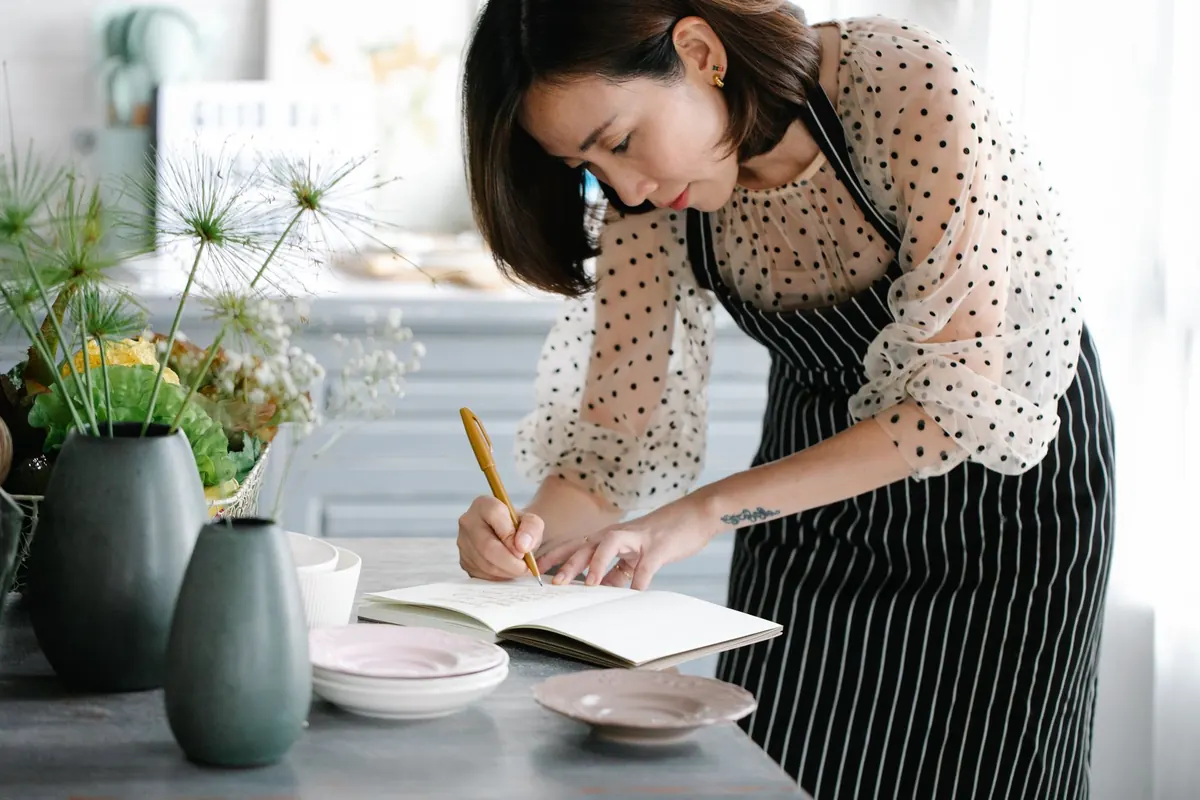
Write the ten staples and the four slots on a card and stick it inside the cupboard door. Restock during the shop you already do, not during a separate planning session. The five dinners above are examples, not rules — once you see the base, protein, liquid and punch in each one, you can build a sixth or seventh from whatever is actually on the shelf. Ten staples, five dinners, and no 6 p.m. drive to the shop.
Photo: Katya Wolf / Pexels