The stove is the last thing you want to switch on during a heat wave, and during an outage it isn't an option at all. Either way, a real meal is still within reach. No-cook pantry cooking isn't about eating cold beans out of the can with a spoon, and it isn't survival food. It's assembly: a cold-soaked base, a canned protein, a dressing you shake in a jar, and something crunchy on top. Learn the formula and you can feed a household for days without a single burner.
Start With a Formula, Not a Recipe
Almost every no-cook meal follows the same five-part shape: base + protein + crunch + dressing + acid or salt. Change one part and you have a different dinner. Change two and it feels like a new recipe.
The dressing is where most people give up and eat something sad. Don't. Keep a jar with a tight lid and shake these together:
- House vinaigrette: 3 tablespoons olive oil, 1 tablespoon vinegar or bottled lemon juice, 1 teaspoon mustard, a pinch of salt, several grinds of pepper.
- Tahini dressing: 2 tablespoons tahini, juice of half a lemon (or bottled), 1 teaspoon honey, water a spoonful at a time until it pours.
- Peanut sauce: 2 tablespoons peanut butter, 1 tablespoon soy sauce, 1 teaspoon vinegar, warm water to loosen, a dash of hot sauce.
- Spiked mayo: shelf-stable mayo packets, hot sauce, a splash of pickle brine.
One rule that matters more than any ingredient: season harder than you would for a hot dish. Cold mutes salt and acid, so a salad that tastes right at room temperature will taste flat straight from the pantry.
Cold-Soak Bases That Need No Heat
You don't need boiling water for grains. You need time and the right grain.
- Couscous: equal parts couscous and cold water, covered, 45 to 60 minutes, stirred once halfway. Fluff with a fork. It stays firmer than the steamed version, so give it the full hour and add another splash of water if it's still chalky in the middle.
- Fine bulgur: equal parts bulgur and cold water, 30 minutes. Softer and nuttier than couscous.
- Rolled oats: equal parts oats and water or shelf-stable milk, 20 minutes on the counter or overnight if you have a cool spot.
- Instant bean flakes: equal parts flakes and cold water, 10 minutes. Useful when you want something thicker than a drained can of beans.
Mix them in a jar with a lid, shake once, and set it somewhere out of the sun. A shaded floor corner or a basement step is cooler than the counter beside the window.
Three Meals You Can Assemble in Ten Minutes
Chickpea and Tuna Salad
Drain a can of chickpeas and a can of tuna packed in olive oil, keeping a spoonful of the oil. Add a handful of chopped onion if you have one, or a tablespoon of pickled onions from a jar, plus a pinch of dried oregano. Dress with the house vinaigrette and let it sit five minutes before eating so the chickpeas take on the flavor. Eat it with crackers, or pile it onto cold-soaked couscous.
White Bean, Artichoke, and Olive Plate
This is the one to make when it's too hot to think. Drain a can of white beans, a jar of artichoke hearts, and a handful of olives. Add roasted red peppers and a spoonful of capers if you keep them. Dress with olive oil and red wine vinegar, plenty of black pepper, and serve with crispbread. It improves after twenty minutes and keeps for a day if you have somewhere cool to store it.
Coconut Curry Chickpeas Over Couscous
Stir a teaspoon of curry paste into half a can of coconut milk, then fold in a drained can of chickpeas and a drained can of diced tomatoes. Taste before you add more paste; brands vary wildly in heat. Spoon over cold couscous, finish with lime or a splash of vinegar, and top with chopped peanuts or cashews. No heat, but it eats like a cooked curry.
Breakfast, Snacks, and Something Sweet
Morning is easier than dinner. Overnight oats with dried fruit, a spoonful of peanut butter, and cinnamon will hold you until lunch. So will a snack plate: crackers, nuts, olives, dried apricots, jerky, and a little hard cheese if the fridge is still safely cold.
For a sweet that doesn't require an oven, mash together 1 cup rolled oats, half a cup peanut butter, a third of a cup honey, 2 tablespoons cocoa, and a pinch of salt. Roll into balls, press in chopped nuts or coconut, and chill if you can. If the mix is sticky, add oats a spoonful at a time; if it's crumbly, add honey.
Drinks count too. Cold-brew tea in a jar takes two to four hours and no electricity. For a simple electrolyte drink, stir a pinch of salt and a spoonful of honey into a quart of water with a squeeze of citrus. Anyone with a medical condition that affects hydration or blood pressure should follow their clinician's guidance rather than a general recipe.
Food Safety When the Power Fails
No-cook food is only as good as the conditions it came from. A few general rules matter more than any recipe.
- Keep the fridge and freezer doors shut. An unopened refrigerator holds a safe temperature for roughly four hours; a full freezer for about 48 hours, a half-full one for about 24.
- Discard perishables — meat, poultry, fish, eggs, leftovers — that have sat above 40°F for more than two hours. If the refrigerator itself has been above 40°F for more than four hours, clear it out.
- Never taste food to decide whether it's safe. When in doubt, throw it out.
- Reject any can that is bulging, leaking, hissing, or deeply dented. Rinse the lid before you open it.
- Once opened, jars of mayonnaise and similar products belong in the refrigerator. Single-serve packets are the safer choice for no-cook meals.
These are general guidelines; your local food safety authority publishes the specifics for your region. If someone in the household is pregnant, very young, elderly, or immunocompromised, be stricter than you think you need to be.
The Shelf to Keep Stocked
Build the no-cook shelf deliberately, in categories, so a meal is never more than three cans away.
- Protein: tuna, salmon, sardines, chicken, chickpeas, black beans, white beans, lentils, refried beans
- Base: couscous, fine bulgur, rolled oats, instant bean flakes, crackers, crispbread, tortilla chips
- Vegetables: corn, diced tomatoes, artichoke hearts, roasted red peppers, olives, pickles, sun-dried tomatoes
- Fat and flavor: olive oil, vinegar, tahini, peanut butter, mustard, soy sauce, curry paste, hot sauce, honey, spice kit
- Extras: nuts, dried fruit, coconut milk, shelf-stable milk, instant coffee, cocoa, electrolyte packets
Keep a manual can opener with the shelf, not in a drawer upstairs. Store everything in a cool, dark place, and eat from it once a month so nothing quietly goes stale.
Practice It Before You Need It
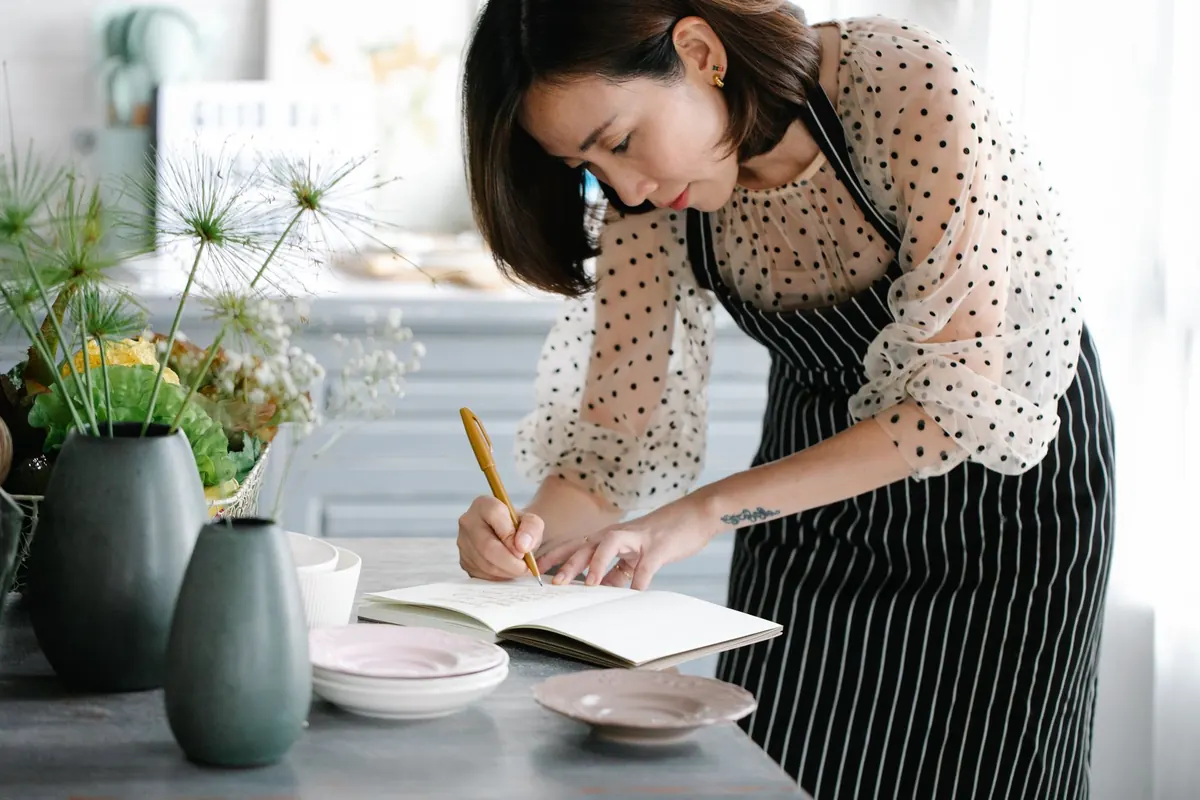
Once a month this summer, make a no-cook dinner on purpose. You'll find out which cans your family actually eats, whether your cold-soak couscous comes out right, and which dressing everyone reaches for twice. Write the three winning meals on an index card and tape it inside the pantry door. Then pack the shelf into one bin or tote so nobody has to dig through the whole cupboard by torchlight.
A heat wave or an outage is a bad time to learn a new way of cooking. It's a fine time to eat well from a shelf you already know.
Photo: Christina & Peter / Pexels