The first jar of rice looked great on the shelf. Three weeks later it was just rice: no brand, no ratio, no way to tell whether it was the one that takes eighteen minutes or the one that takes forty. Decanting is worth doing. Losing the cooking directions is not. The fix is mostly about what you keep and what you write down.
Which Staples Earn a Jar — and Which Should Stay Boxed
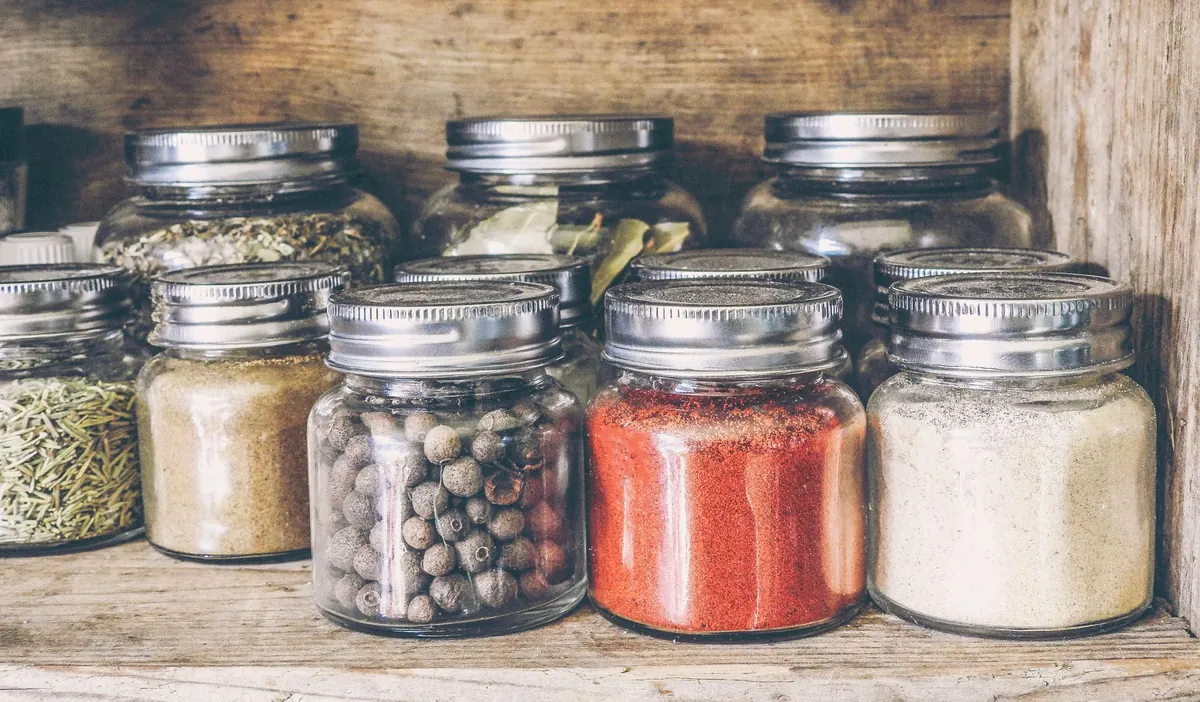
Grains, flours, sugars, oats, dried beans and lentils, pasta, cocoa, dried fruit, nuts, and spices all behave better in a hard, airtight container. You can see how much is left, you can scoop without ripping a bag, and you shut out the pantry moths that find their way into paper sacks and thin plastic.
Some things should stay in their original packaging:
- Boxed mixes and kits, where the panel on the back is the recipe.
- Anything you'll finish in two or three weeks. Decanting is for staples you restock, not the bag of cornmeal you bought for one cornbread.
- Items with allergen statements you rely on. If someone in the house has a serious allergy, an original label carrying the warning is worth more than a tidier shelf.
- Strong-smelling spices and specialty flours. A glass jar that held garlic powder will keep reminding you about it for months.
Save the Panel, Not the Whole Box
Before the box goes into recycling, cut out the cooking directions with scissors. That little rectangle is the only part you actually need, and it takes up almost no space.
- Tape it to the underside of the lid. Lids are cheap and replaceable, so you can tape freely without ruining the jar.
- Drop it in a card box. A small index-card box with dividers for Rice, Pasta, Grains, Beans, and Baking will hold years of cut panels right on the shelf.
- Slide it into a card sleeve or photo album. Plastic keeps grease and flour off the paper, and you can flip through it like a cookbook.
Avoid taping directions to the outside of the jar. The first time you wash it, you'll either soak off the tape or spend ten minutes scraping adhesive with your thumbnail.
Photograph it before you recycle
One photo of the back of the package, saved to a note on your phone, solves the problem permanently. Name the note something you'll actually search for — "rice ratios," not "pantry" — and keep adding to it. The images don't need to be pretty. They need to be legible.
What Every Jar Label Needs
A label that says "flour" is decoration. A label that answers the question you'll have in six months is a tool. Write these five things:
- Name and variety. "Long-grain white rice," not "rice." Brown rice, arborio, and basmati look nearly identical in a jar and behave nothing alike.
- Date opened or purchased. Especially useful for spices: ground spices fade faster than whole ones, and you'll want to know whether that cumin is from last spring or three springs ago.
- Best-by date, copied from the package before you throw it away.
- Cooking ratio and time, in the shortest form that still makes sense: "1 cup rice / 2 cups water / 18 min."
- Brand, if you'd buy it again. Pasta cook times vary enough between brands that matching the original label matters.
Labeling Tools That Survive a Kitchen
Painter's tape and a fine-tip permanent marker are the workhorse combination. Tape peels off glass cleanly, comes in widths that suit both spice jars and five-liter canisters, and costs almost nothing. Freezer tape grips better in a humid kitchen, and dissolvable labels are a nice touch if you're filling jars as gifts.
What doesn't work: chalk markers on jars you handle daily, since the writing smears the first time your hand is damp. Grease pencils are better — they write on glass, resist moisture, and scrub off with hot water when you change contents.
Write on the front face, above the midpoint, so the label stays readable when the jar is full and when it's half empty. Choose the flattest part of the glass you can find. If you write on the lid instead, expect lids to migrate between jars; keep the label on the body and you'll never have to guess.
Keep a running list of what worked
Package directions are a starting point, not gospel for your stove and your pan. When you land on a ratio that gives you the rice or oats you actually want, add it to the jar label in a different color or jot it in a small notebook. After a year, that notebook is more useful than any of the panels you saved.
Dates, Best-By, and Rotation
Decanting does not reset the clock. Flour poured into a jar in March is the same flour, aging at the same rate. A best-by date speaks to quality rather than safety — it tells you when texture or flavor may start to slip — so copying it onto the label keeps you honest about what you're cooking with.
Two dates on every label handle most of it: the best-by date from the package, and the day you opened or decanted it. Then rotate. New jar goes behind the old one, and you refill from the back. If you keep a small "use first" jar on the counter for the last cup of anything, you'll stop discovering three half-empty containers of the same oats.
Start Small and Stay Consistent
Pick five staples you use every week — rice, oats, flour, pasta, and one spice you're tired of hunting for — and decant only those. Buy one roll of painter's tape and one fine-tip marker. Cut the direction panels into a card box. Label the front of every jar with the name, the date, and the ratio. That's the whole system, and it takes an afternoon. Once the habit sticks, the next five jars are easy.
Photo: monicore / Pexels